Ozone Generator Hazards
 What is Ozone?
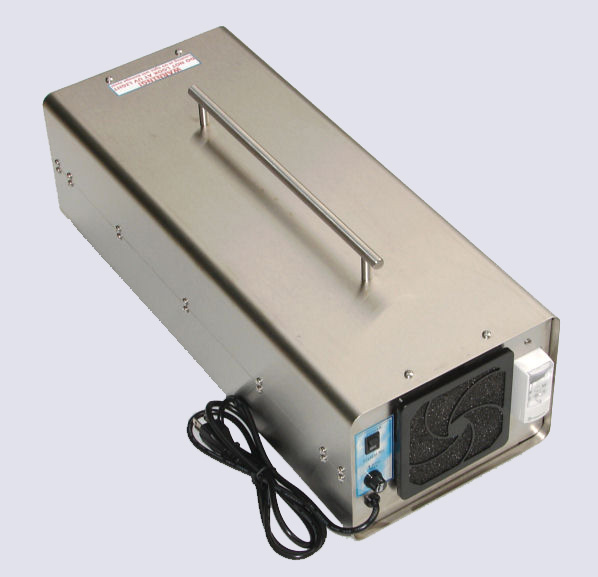
Ozone is the principal element of the ozone layer, which traps the sun’s heat and is essential to life on Earth. Unlike breathable, stable oxygen molecules, which are composed of two oxygen atoms, ozone is composed of three. The third oxygen atom in ozone can easily detach from the ozone molecule and reattach to other substances, altering their chemistry. Ozone generators produce the gas in large enough quantities that unstable organic compounds will react with the gas and, supposedly, be altered so that they will no longer be irritating or dangerous.
Note that ozone can dull the olfactory sense, a fact that has led many experts to believe that ozone’s deodorizing abilities are at least partially due to an altered odor perception, rather than any change in the environment.
How do ozone generators make ozone?
Ozone generators make ozone by breaking apart oxygen molecules, a process that can be accomplished in the following ways:
- silent corona discharge: All electrical discharges, such as lightning, produce ozone by splitting normal oxygen and creating single oxygen atoms, which then attach themselves to O2 to form ozone (O3). Silent corona discharge-ozone generators operate by this principle.
- ultraviolet radiation: This process is similar to the formation of ozone in the upper atmosphere, where the sun’s ultraviolet radiation causes O2 to split into individual oxygen atoms. This method is generally regarded as less efficient than corona discharge.
Health Considerations
Unfortunately, the same chemical properties that allow ozone to alter organic material in household air also give it the ability to react with organic material inside the human body. Even low levels of ozone exposure can cause the following conditions:
- coughing, chest pain, shortness of breath, wheezing, and throat irritation;
- worsened chronic respiratory diseases, such as asthma;
- increased risk of developing bronchitis or pneumonia; and
- compromised ability of the body to fight respiratory infections.
People's susceptibility to ozone varies widely. An ozone generator should never be operated in occupied spaces, and the area should be adequately vented before people or animals are allowed to re-enter.
According to a report produced by the EPA, ozone generators are ineffective at reducing levels of formaldehyde and carbon monoxide, despite claims by manufacturers. Also, from the toxins with which ozone does react, there is a potential for the creation of new, potentially more dangerous toxins. For example, ozone mixed with chemicals from new carpet can create aldehydes, which can irritate the lungs. Other reactions may create formic acid, another irritant. The potential for chemical reactions in the average house is difficult to predict.
Other Potential Damage Caused by Ozone in Homes
Environmental ozone causes more damage to plants than all other air pollutants combined. Similarly, ozone generators can damage plants in indoor environments. High levels of ozone will inhibit the ability of plants to open the microscopic pores on their foliage and breathe. Specifically, ozone can cause the following conditions in plants:
- chlorosis, a condition in which the plant cannot produce sufficient chlorophyll to manufacture carbohydrates;
- necrosis, or the premature death of living cells, which may lead to the death of the plant as a whole;
- flecks or small light tan irregular spots;
- stipples, which are small, darkly pigmented areas; and
- reddening.
In addition to human and animal health, excess ozone can damage the following materials:
- carpets, especially synthetic carpets;
- carpet padding;
- foam cushions;
- other plastic furnishings and furniture covers;
- rubber pads and padding;
- electrical wire coatings; and
- fabrics and art containing certain dyes or pigments.
Better Methods to Control Indoor Air Pollution
- source control: Eliminate or control the sources of pollution. Pollution levels can be limited by controlling humidity, by cleaning frequently, and by avoiding substances that cause the pollution (such as tobacco);
- ventilation: Dilute and exhaust pollutants through outdoor air ventilation. Open windows or install an exhaust fan; and
- air cleaning: Remove pollutants through proven air cleaning methods, such as HEPA filters and ionizers.

