Soil Contamination Inspection
 Inspectors, as well as homeowners, should use extreme caution if they suspect that such conditions exist at a property. InterNACHI inspectors should recommend further evaluation by a qualified professional.
The three most widespread pollutants in urban and rural residential soils are lead, arsenic and cadmium. These elements were in widespread use in paints and construction practices in the past and persist in soils today because, as heavy metals, they do not readily break down. The following is a brief description of them.
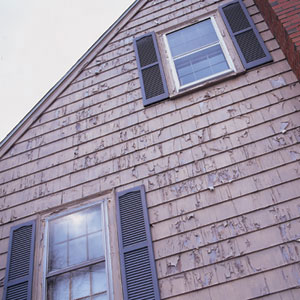
- The primary source of lead contamination in soil is from paint that contains lead. Paint residue falls to the ground and contaminates the soil as precipitation wears away a home's exterior. The area with the highest contamination and of greatest concern is the "drip zone," which extends 6 feet out from the perimeter of a home. Paint residue that fell into the soil decades ago may still persist today, even though leaded paint was banned in the late 1970s. Paint chips may also have become dislodged more recently if, for example, the home's exterior was power-washed or sand-blasted. Lead may also be deposited in soil as demolished or abandoned structures eventually fall to the ground. Another common source of lead contamination is from leaded gasoline of years past. Soil that is close to a roadway with heavy traffic has the highest risk for this type of contamination.
- Arsenic is another contaminant that is commonly found in residential soil. Arsenic was a widely used preservative for wood used in exterior structures, such as children's playgrounds, walkways and gazebos constructed from the mid- to late 1900s until 2004. Arsenic is likely to have leached into the soil surrounding these wooden structures, especially in areas that have heavy precipitation. Areas with old, abandoned wooden structures on them are of concern. Arsenic was also a common ingredient in pesticides, herbicides and fertilizers. It is likely to persist in the soil of historic orchards and agricultural areas where these chemicals have not been sprayed in decades.
- Cadmium is a common contaminant that has entered the environment and, consequently, the soil at properties as a byproduct of the burning of fossil fuels and municipal wastes, and from the smelting of zinc, lead, and copper.
Why is contaminated soil hazardous?
Pets and wild animals come into contact with contaminated soil when burrowing, eating and drinking from the ground. Changes in soil chemistry affect creatures at the lower end of the food chain, such as arthropods and tiny micro-organisms. Consequently, this puts entire ecosystems at risk, since it may cause a ripple effect through the food chain.
Another serious hazard is that drinking water supplies may become contaminated from contaminated soil. This is of primary concern when residents rely on underground water wells and aquifers for their fresh water supply.

- Excavation is the most comprehensive and expensive method of remediating soil. After contaminated soil has been identified, it may be removed from the property and transferred to a landfill for disposal. New topsoil is tested, trucked in, and distributed throughout the property to replace the old soil.
- "Soil blending," whereby contaminated soil is mixed with fresh soil, results in a mix that has a lower concentration of contaminants and meets local guidelines for acceptable pollutant levels.
- The soil can be excavated, treated, and then replaced, after it has been deemed safe. Various methods for treating soil may be employed in situ or after excavation. These include applying aeration, heat and/or water, or treating it with chemicals that change the hazardous substances into ones that will biodegrade over time.
- Bioremediation is a process whereby specific plants or fungi are utilized that naturally break down hazardous materials.
- Problem areas may be covered or paved over so as to avoid exposure when excavating or treating soil is not an option. This is not a long-lasting solution, although it does help to inhibit the contaminants from spreading further.
- "Capping" is a procedure whereby problem areas are covered by more than a foot of new topsoil. This may be an adequate temporary solution but, eventually, plant roots may penetrate into the contaminated soil.
What precautions should be taken with soil that is or is suspected to be contaminated?
- Hazardous areas should be partitioned off, and direct exposure should be minimized.
- Children's play areas should be situated away from areas that may be hazardous, such as around the drip zone of a house, or near roadways where gasoline deposits may have accumulated.
- Shrubbery may be planted around the drip zone of a house to discourage traffic in that area. Consider covering bare soil with mulch if grass will not grow on patches of contaminated soil.
- Edible gardens should always be located away from hazardous areas. Building raised garden beds with clean topsoil minimizes the possibility of plants growing in unfit soil. Gardeners should always be sure to wash their hands thoroughly after working in the soil, as well as washing vegetables that will be consumed. Special attention should be paid to scraping root vegetables that have come into direct contact with contaminated soil.
- When mowing grass or working in areas with hazardous soil, wear personal protective equipment, including clothing that adequately covers exposed skin, a dust mask or respirator to prevent inhaling contaminated dirt and airborne particles, and protective eyewear.

