Inspection Checklist for the Kitchen Mechanical Exhaust Fan

Home inspectors should understand how the exhaust fan system in the kitchen can affect the space conditioning and ventilation systems of a house. An absent exhaust system can affect the space conditioning and indoor air quality of a house. Improperly designed exhaust systems can create negative pressure conditions, which can adversely affect the operation of fuel-burning appliances.
Homes are being constructed tighter with far less air infiltration than in the past. For example, a kitchen may have a high-output exhaust fan (400 to 1,000 cfm), which combined with bathroom fans and a clothes dryer, can result in significant indoor and outdoor pressure differentials that can affect a power-vented fuel-fired appliance.
It's important for home inspectors to understand how to inspect the mechanical exhaust system during a home inspection.
OverSeeIt
A mechanical exhaust system must be installed in accordance with the manufacturer’s instructions. To make sure a kitchen appliance or exhaust fan is installed correctly, homeowners can hire inspectors through OverSeeIt.com.
Checklist
The following is a checklist for inspecting the operation of the kitchen mechanical exhaust system. It's based upon the 2024 International Residential Code (IRC) Section M1503.
Standards of Practice
According to the Home Inspection Standards of Practice (nachi.org/sop), a home inspector is required to inspect the kitchen's mechanical exhaust system, which removes air from that room by mechanical means.
Type
- Describe the type of fan installed.
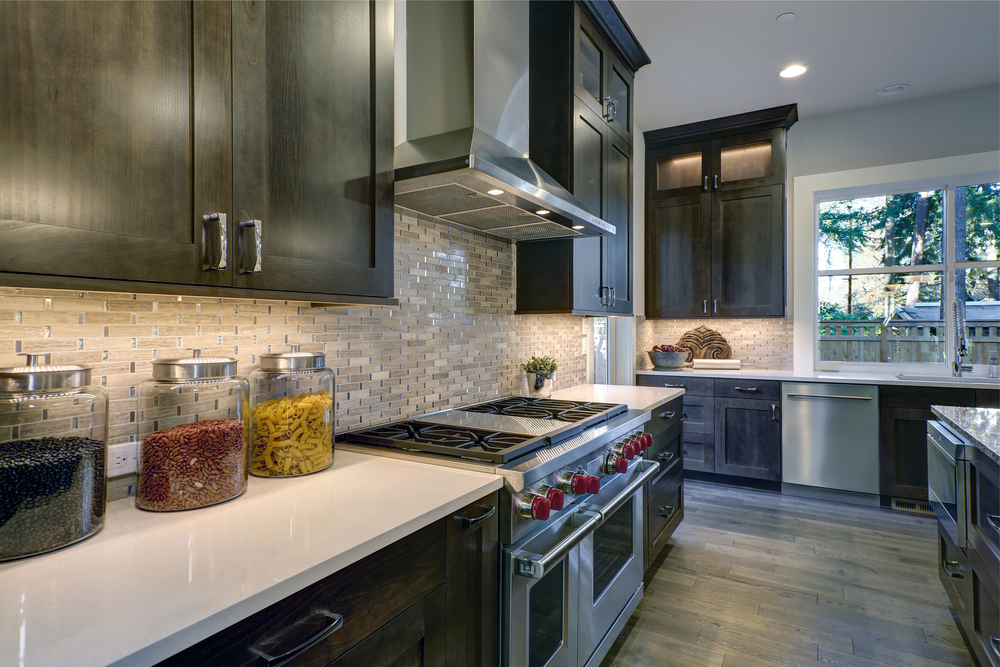
The exhaust fan can be external to the hood, integral with the hood, or integral with a cooking appliance (microwave) that mounts over the cooking appliance. A microwave oven over the cooking surface with an integral exhaust that does terminate outside is common. Refer to 2024 IRC 1503.2.
Safety
- Check secure mounting of the mechanical exhaust system. The unit should be firmly attached to the wall or cabinet above and not move when touched.
- Examine the exterior for damage or loose components.
- Look for excessive grease and scorching.
Operation
- Check the control panel, including the knobs, buttons, and digital displays.
- Operate the unit using normal operating controls, including the knobs, buttons, and switches. Non-functioning units are defects that must be reported as in need of correction.
- Turn on the lights and check that lenses are intact and properly seated.
- Turn on the exhaust fan.
- Check the speed settings.
- Listen for unusual sounds—grinding, rattling, or excessive noise indicates mechanical problems.
- Feel for excessive vibration that could indicate loose mounting or worn bearings.
Filters
- Look for filters. They should be removable for cleaning and in good condition. Look for excessive grease and dirt. The filters should appear clean.
Clearance
- Check vertical clearance to combustible materials. Cook tops can produce intense heat. Household cooking appliances should have at least 30 inches (760 mm) of vertical clearance above the cooking top to combustible materials (framing, finishes, cabinets, shelving, soffit) and metal cabinets with combustible contents. A few exceptions permit a minimum clearance of 24 inches (610 mm), including when the underside of the combustible material or metal cabinet above the cooking top is protected by a microwave oven installed in compliance with the manufacturer's installation instructions. Refer to 2024 IRC G2447.5 (IFGC 623.7).

Exhaust Rates
- Check the exhaust fan is moving air. There should be noticeable suction. A home inspector may simply use their hand or a paper towel near the intake to check for air movement and suction. For the kitchen, the minimum exhaust rate is 100 cfm intermittent fans and 25 cfm for continuous fans. Continuous exhaust fans provide some over-ventilation. Intermittent fans run for short periods of time, requiring a higher rate to control odors, cooking effluent, and moisture. Refer to 2024 IRC M1503.5 and M1505.5.
- Many commonly installed fans have ducts that will not perform as intended. For example, according to the 2024 IRC Table M1504.2, the common 50 cfm fan should not use a 3-inch flex duct and a 4-inch flexible duct with an 80 cfm fan can not have any elbows. In general, short and smooth ducts that are fastened and sealed are preferred.
Duct
- Check the fan duct material. Ducts used for domestic kitchen exhaust fans must be constructed of noncombustible materials to reduce the potential fire hazard associated with the collection or absorption of grease. The duct must be made of metal, such as galvanized steel, copper, or stainless steel. The duct should not flexible plastic, because plastic can not contain a fire. There's exception for cooking appliances with down-draft exhaust systems made of schedule 40 PVC pipe that are installed in an underfloor trench under a concrete slab, but this is uncommon. Refer to 2024 IRC M1503.4.
- The duct must have smooth inner walls, which prohibits the use of flexible and semirigid corrugated ducts for range hood exhaust.
- Duct connections should be mechanically fastened.
- Ducts should be sealed with mastic or metal tape to prevent leakage of air and grease into wall and ceiling cavities. Common duct tape should not be used.
- The duct must be independent of all other ducts.
- The hood manufacturer may require that the ducts be installed with a minimum clearance to combustibles.
Termination
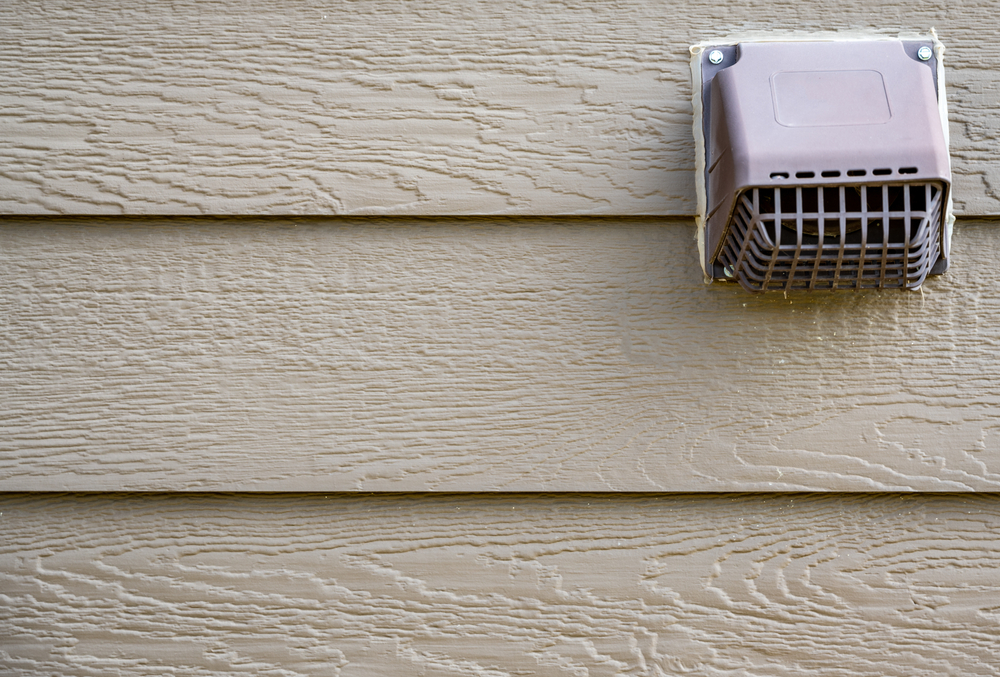
- Determine where the kitchen exhaust fan terminates. It must discharge outside. There's an exception if natural or mechanical ventilation is provided for the kitchen, but this is not common. Refer to 2024 IRC 1503.3.
- The exhaust fan should not discharge into an attic, soffit, ridge vent, or crawl space. Because kitchen exhaust systems affect indoor air quality by removing cooking vapors, grease, and moisture, recirculating fans are inadequate ventilation systems. Refer to 2024 IRC M1504.3 for details and exceptions.
- The exhaust should terminate at least 3 feet (914 mm) from a property line and from gravity air intake openings, operable windows, and doors.
- The exhaust hoods at exterior walls or the roof should be at least 3 feet (914 mm) from operable windows.
- The exhaust should terminate at least 10 feet (3048 mm) from mechanical air intakes.
- The exterior termination (exhaust hood) should have a backdraft damper that opens freely. Backdraft dampers prevent the infiltration of outdoor air when the exhaust system is not operating.
Electric
- Check for a dedicated circuit for the range hood. There should be a dedicated branch circuit for range hoods that are cord-and-plug connected. It is typical for a receptacle to be installed in a cabinet for serving the cord-and-plug-connected range hood or microwave oven appliance. Refer to 2024 IRC Table E4101.3.
GFCI
- Check ground-fault circuit-interrupter (GFCI) protection. All kitchen receptacles are required to have GFCI protection, including cord-and-plug range hoods. Refer to 2024 IRC R3902.6.
- Receptacles located within 6 feet (1829 mm) of the kitchen sink are required to have ground-fault circuit-interrupter (GFCI) protection. So, if the overhead exhaust fan is cord-and-plug connected at a receptacle near the sink, then GFCI protection is required. Refer to 2024 IRC E3902.8.
- GFCI protection must be provided for the branch circuit or outlets supplying microwave ovens that commonly have exhaust hoods. Refer to 2024 IRC R3902.12.
- Some building officials apply the code to require GFCI protection for the mechanical exhaust system in the kitchen regardless of how the unit is wired. The 2024 IRC R3902.12 does not list the exhaust fan as an appliance that requires GFCI protection; however, the electrical branch circuits that supply appliances in the kitchen, such as the microwave, must have GFCI protection, regardless of whether the appliance is hardwired or cord-and-plug-connected.
- If you see a receptacle inside the kitchen sink cabinet, or virtually anywhere in the kitchen, it must have GFCI protection to help prevent people from getting shocked. You can check the electrical panelboard and look for a breaker that's labeled with the appliance.
- If the range hood does not seem to be supplied with electricity, then it might be at tripped GFCI (ground fault circuit interrupter). If the GFCI is tripped, reset it. If it immediately trips again, that indicates potential electrical problems with the appliance.
AFCI
- Check arc-fault circuit-interrupter (AFCI) protection. AFCI protection should be provided for the branch circuits supplying 120-volt, single-phase, 10-, 15-, and 20-amp outlets in kitchens. Refer to 2024 IRC E3902.21.
Summary
Improper venting and inoperative units are the primary concerns that require correction by qualified contractors.
More Checklists
More home inspection checklists.
Extra Training: Understanding Makeup Air Requirements for Home Inspectors
Why Makeup Air Matters
When we remove air from a home through exhaust fans, we must replace it. This replacement air is called "makeup air." Think of a home as a sealed box. If we suck air out without letting air back in, we create negative pressure that can cause serious safety hazards.
The Basic Rule (2024 IRC M1503.6)
Makeup air is required when:
- we have exhaust fans capable of moving more than 400 cfm, and
- we have fuel-burning appliances that aren't direct-vent or mechanically vented.
There is an exception for kitchen exhaust fans designed to be used with open windows that don't need makeup air systems.
Identify High-Capacity Exhaust Fans
Modern homes often feature commercial-style range hoods that can exhaust 600-1,200 cfm or more. Check the manufacturer's label or documentation for cfm ratings. Any exhaust system over 400 cfm may trigger the "makeup air" provision.
Check for Affected Fuel-Burning Appliances
Look for natural draft water heaters, atmospheric vented furnaces, fan-assisted appliances, and fireplaces with conventional chimneys.
Verify Makeup Air Systems
Acceptable makeup air systems include active mechanical fans that brings in outdoor air when the exhaust fan operates and natural passive openings with a motorized damper that opens when the exhaust fan runs.
Backdrafting Safety Concern
When negative pressure becomes strong enough, it can reverse the flow in chimneys and vents. Instead of exhausting combustion gases outside, these vents become intake ports, pulling dangerous combustion products (including carbon monoxide) into the living space.
A home needs to breathe. When we have a powerful kitchen exhaust fan removing air, we need a controlled way to let fresh air back in. Without it, the home creates a vacuum that can pull dangerous gases from the water heater or furnace back into the living space instead of up the chimney where they belong.
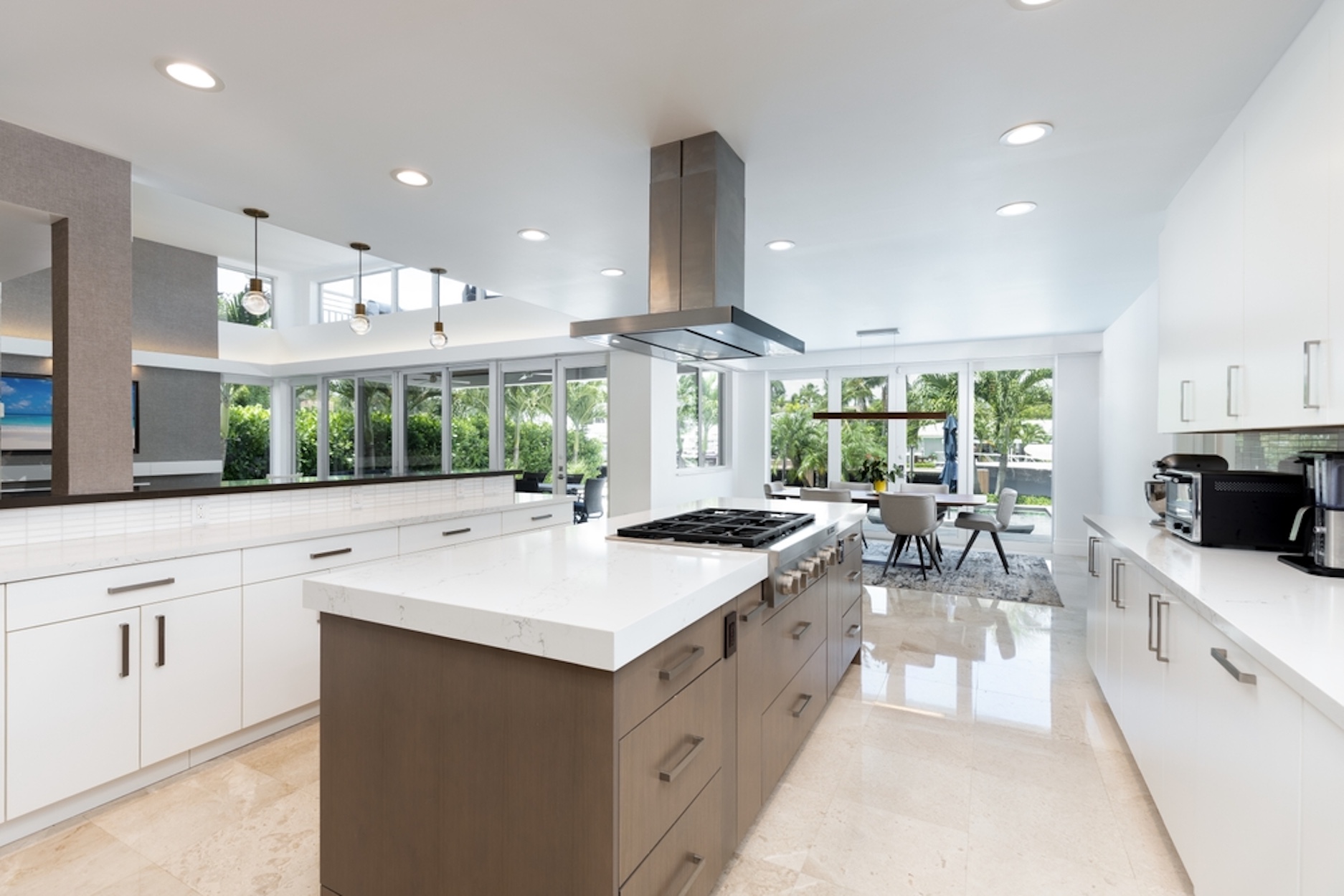
Modern homes are built tighter and equipped with more powerful exhaust fans than ever before. This combination can create dangerous negative pressure conditions. As home inspectors, identifying missing makeup air provisions helps protect families from carbon monoxide poisoning and other serious health hazards. When you see high-capacity exhaust fans during a home inspection, makeup air isn't just a code requirement—it's a critical safety concern.
